

Facts About Playing Cards: Fun, Interesting & Surprising Card Facts

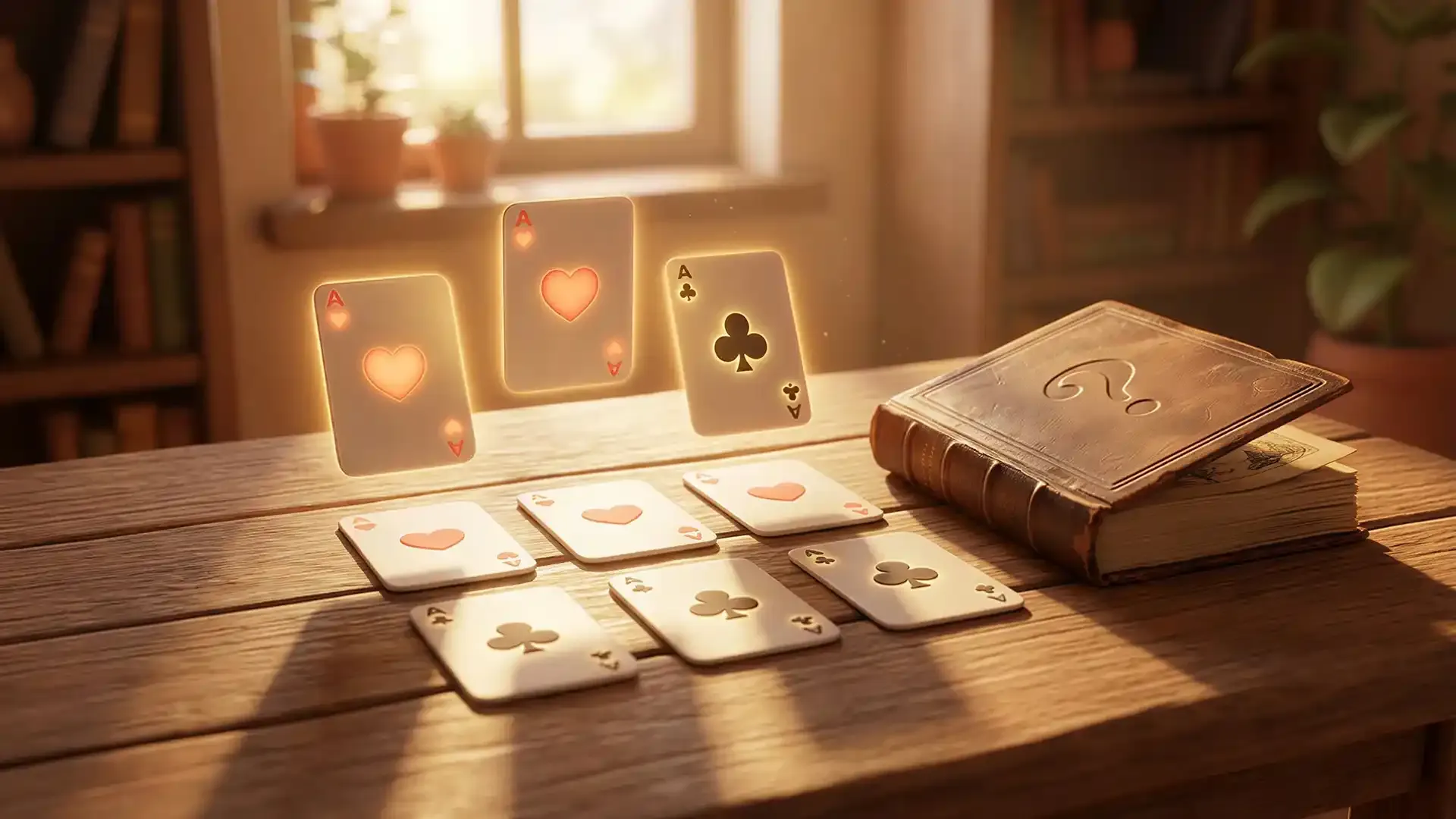
Facts about playing cards show that a simple deck of cards is far more interesting than it looks at first glance. Games, history, and culture are inextricably linked in unexpected ways through the playing card facts, which have secret meanings in the suits, weird customs of other nations, etc.
Although you play cards every day, when you get together and even when you play solitaire online on your short break, these fun facts about playing cards will eternally change your view on a deck of cards.
Table of contents
- Basic Facts About Playing Cards
- Fun Facts About Playing Cards You Probably Didn’t Know
- Interesting Facts About Playing Cards From History
- Playing Card Facts About Suits & Symbols
- Fun Facts About Face Cards (Kings, Queens & Jacks)
- Surprising Mathematical Facts About Playing Cards
- Fun Facts About Playing Cards in Games & Culture
- Weird & Unusual Facts About Playing Cards
Basic Facts About Playing Cards
A normal deck of playing cards has 52 cards, divided into four suits. There are 13 cards in each suit, including numbered and face cards. The jokers are sometimes included, but they were not a part of the original deck.
Playing cards are designed to be easy to shuffle, hold, and recognize from any angle. The patterns on the back help hide the card value, while the symbols on the front make each card instantly readable, which is especially helpful for beginners learning how do you play solitaire for the first time.
These simple design choices are part of why playing cards have stayed popular for so long and are some of the most interesting facts about cards people often overlook. Their lightweight and compact nature is also why a standard deck remains the most versatile set of travel card games you can slip into any bag.
Fun Facts About Playing Cards You Probably Didn’t Know
Among the most interesting facts about playing cards, it is possible to mention the decks that were initially hand-painted and that were very costly. Only wealthy people could afford them, which also links closely to the history of solitaire, when card games were considered a luxury pastime. In the long run, printing led to the cheapness and ubiquity of cards.
Another engaging aspect of cards is that the red and black colors were selected to make them more visible. The cards were readable in low light because the red ink was good on the black ink. A deck is a name that was derived from the term pack used widely in Europe. Some nations are still referring to a deck of cards as a pack of cards even nowadays.
Interesting Facts About Playing Cards From History
According to many historians, playing cards were invented in China during the 9th century. The trade routes brought them gradually to Europe from the Middle East.
Early European decks did not all look the same. Some used cups, swords, and coins instead of hearts, spades, clubs, and diamonds. These facts about cards show how culture influenced card design and later led to the creation of different types of solitaire card games based on regional styles.
Playing cards were once prohibited because leaders believed card games promoted gambling and idleness. Nevertheless, cards survived and spread worldwide.
Playing Card Facts About Suits & Symbols
The four suits which we presently possess are French designs. Each suit had an applied meaning. Hearts were symbols of feelings and love. Spades represented the soldiers or work. Growth and nature were associated with clubs. Diamonds symbolized trade and wealth.
The other fact about playing cards is that the symbols of the suits were intentionally simplified. Cards were simplified by using simple shapes, making them easier to print and produce at a lower cost. The manner in which the suits are laid out even counts. In most decks, red and black suits alternate to enhance visibility in case the cards are laid out.
Fun Facts About Face Cards (Kings, Queens & Jacks)
Face cards are laden with concealed information. Among the most interesting facts about playing cards, it is worth noting that most of the kings and queens were inspired by real-life figures, but this changed over time. Remembering these small details is often part of common solitaire tips and strategies, especially when players try to track key cards during a game.
The King of Hearts is also termed the suicide king, as it appears as though the king is stabbing himself. In fact, the initial design depicted him holding an axe. As the image was copied, it faded away in certain parts.
Jacks were initially referred to as knaves. The name Jack was adopted subsequently because it was easier to say and fit in the card's corner.
Surprising Mathematical Facts About Playing Cards
There are more combinations of card shuffles than atoms on Earth. One proper shuffle can create a deck order that has likely never existed before.
Another astonishing thing about cards is that there are numerous hidden designs in a deck. Black cards are equal to the number of red cards. All the cards provide the same number of sums. These patterns are one reason players often wonder how does solitaire scoring works, especially in digital games where math plays a key role.
Some playing cards may be used by mathematicians to describe notions of probability, randomness, and logic, demonstrating how powerful a simple deck can be.
Fun Facts About Playing Cards in Games & Culture
Families use them during festivals and holidays. Friends often enjoy easy card games for two to pass the time. Casinos use them for games like poker and blackjack. Magicians use playing cards to perform tricks that surprise people.
Different countries have different card styles. Some European countries still use old suits like cups and swords instead of hearts and spades. The designs and artwork can change, but the idea of a deck stays the same.
Remembering these small details is also one reason people ask is solitaire good for the brain, as tracking face cards and patterns helps improve focus and memory during play.
Weird & Unusual Facts About Playing Cards
Combinations of card shuffles are more than the Earth. A single shuffle can generate a deck order that probably never previously existed.
Because of this, playing cards are often used by mathematicians to explain ideas like probability, randomness, and logic, showing how powerful a simple deck can be.
A deck of cards is not just a game tool. It holds history, culture, math, and design in one easy-to-carry package. These fun facts about playing cards prove that something small can still carry a big story.
FAQs
- The reason behind a normal deck containing 52 cards is that it represents the same number of weeks in the year. This might not be a deliberate depiction, but it emerged with time as a ubiquitous symbolic interpretation.
- The suits are various concepts such as emotions, wealth, work, and growth. These meanings were old European designs.
- The majority of historians concur that playing cards were invented in China, and then they were introduced in the Middle East and Europe.
- No, playing cards vary by region. Certain nations have varied card suits, designs, and card counts.
Benefits of Solitaire: Boost Your Mind and Focus Today
Discover the benefits of Solitaire for brain health, focus, memory, and stress relief. Learn how this classic card game sharpens thinking and boosts mental clarity.

Is Every Solitaire Game Winnable? Discover the Truth Today
Uncover the history of Solitaire and trace its evolution from early card traditions to the iconic game enjoyed by millions today.
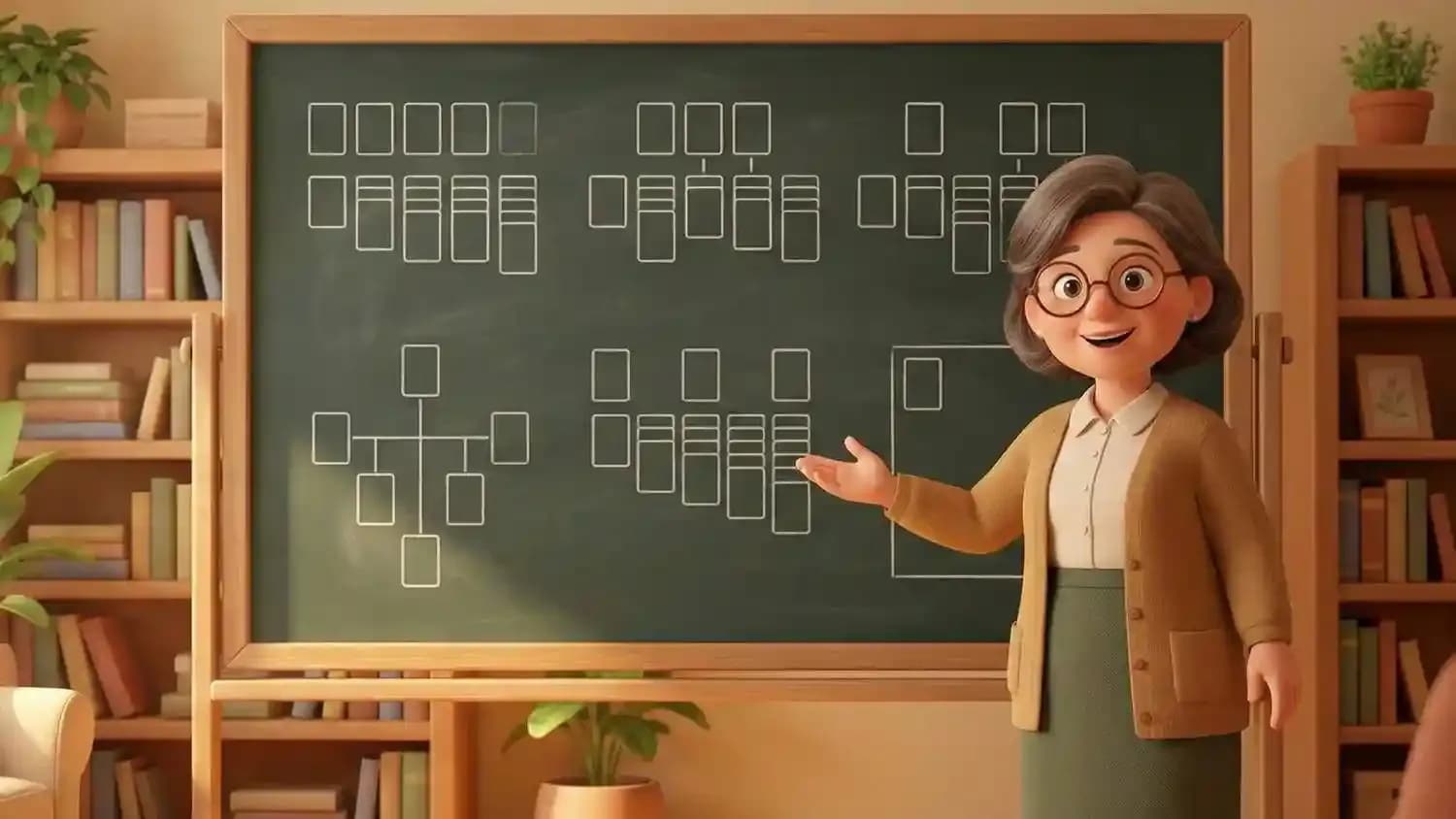
13 Types of Solitaire Games: The Ultimate Guide (With Rules, Variations & Tips)
Explore the different types of Solitaire games including Klondike, Spider, FreeCell, Pyramid, and more. Compare rules and find the version you enjoy most.

Word Hurdle Solitaire Game: Rules Explained
Word Hurdle Solitaire is an exciting card-based game that tests your word-building skills. This guide covers the complete rules, differences from other games, scoring system, and tips for beginners.
Spider Solitaire Rules: How to Play, Set Up & Win (Complete Guide)
How to play Spider Solitaire made easy—learn the rules, card setup, and proven strategies to improve your skills. Play smarter and win more games now!


