

Solitaire

Klondike Solitaire Turn 3 – Play Free Online
One of the most popular and difficult versions of playing the classic solitaire is Klondike Solitaire Turn 3. It preserves the same layout players are fond of and adds additional difficulty with the three-card draw mechanism.
Klondike Solitaire Turn 3, free and online, is the perfect option for players who prefer to think through their moves, plan, and exercise patience. Free Klondike Solitaire Turn 3 can be played in your browser without any download or registration.
The game can be loaded instantly, is infinite in the number of rounds, and lets you focus on strategy rather than setup. Turn 3 is a rewarding, highly intellectual experience, whether you are getting back to solitaire after several years or just practicing your skills by playing Solitaire online.

What Does “Turn 3” Mean in Klondike Solitaire?
Klondike Solitaire Turn 3 means the cards that have been drawn from the stockpile. The game does not draw one card per round; it deals three cards simultaneously. These three cards are put face up in the garbage pile, yet only the upper card may be played at once. This minor game alteration has a massive consequence on the game.
Numerous cards are on hold, so players can think ahead and calculate more than one move. In contrast to Turn 1, where all cards are available to play sequentially in their order, Klondike Turn 3 restricts access and makes the game more challenging. For this reason, Klondike Solitaire Turn 3 is frequently chosen by players who tend to play more challenging, more strategic solitaire games than simpler ones.
Klondike Turn 3 Rules Step by Step
Klondike Solitaire Turn 3 is an adaptation of the classic solitaire game, with one significant modification to the card-drawing algorithm. By knowing these rules well, you are likely to win.
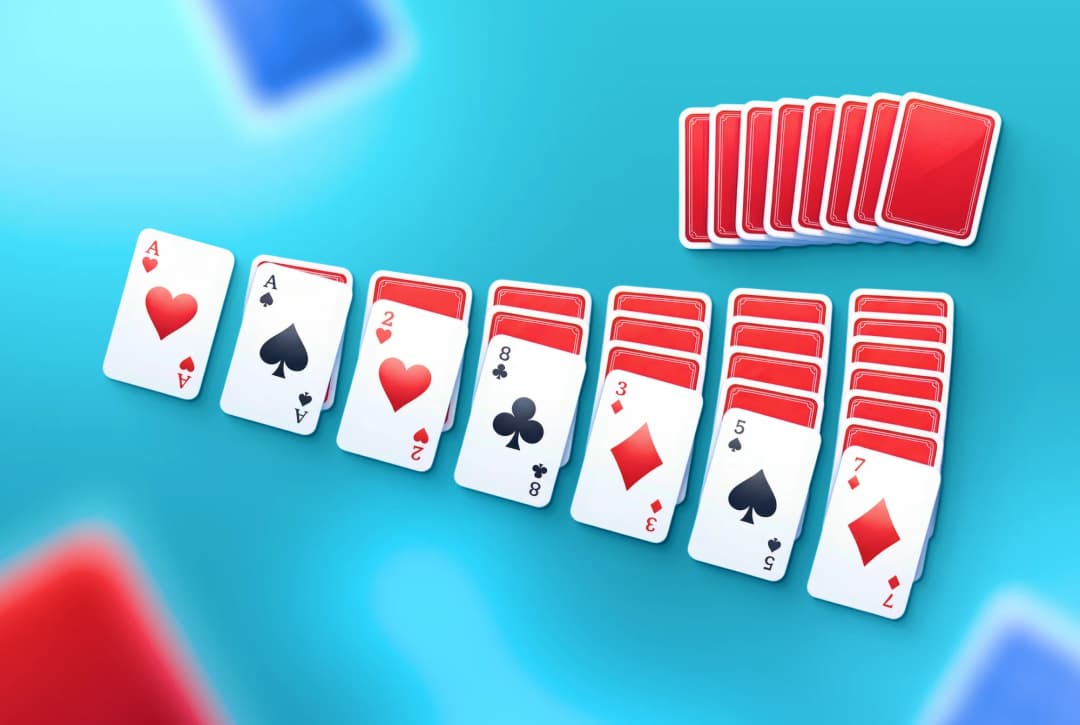
The game involves a regular 52-card deck. Initially, 28 cards are issued as seven column tableau. Each column contains one card in the first, two cards in the second, etc., with only the top card of each column being visible. The other cards constitute the stockpile.

You want to reduce all the cards to four foundation piles. Every foundation begins with an Ace and progresses up the same suit between Ace and King.
In the tableau, the cards are constructed in descending order, alternating colors. As an illustration, a red 7 can be put on a black 8. You are able to move single cards or sequences in order.
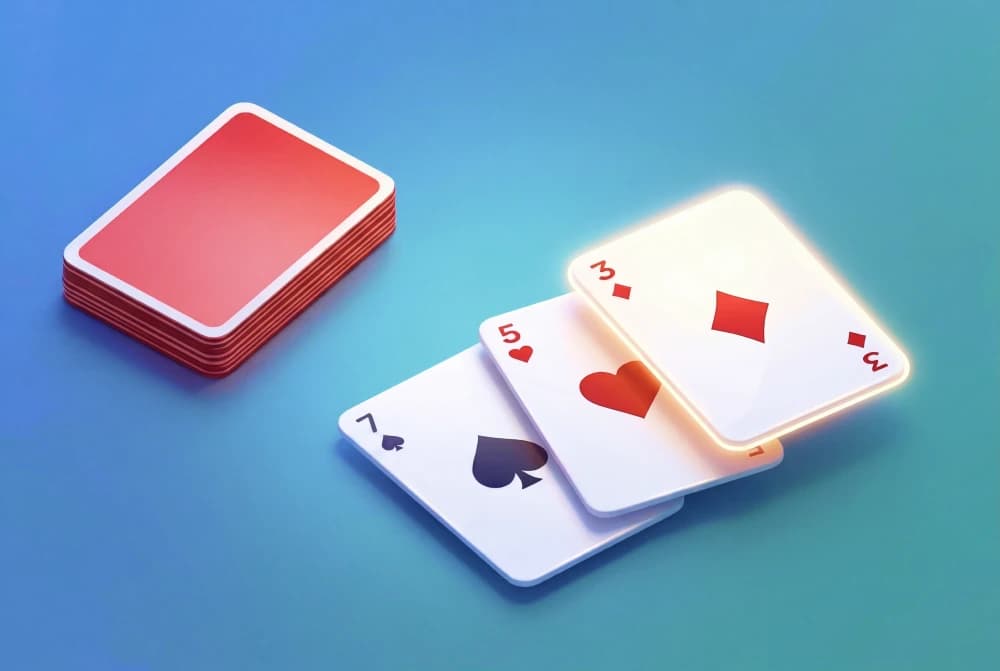
Once you cannot make any moves in the tableau, three cards are picked out of the stock. The best card among these three can only be used. If it cannot be played, you must look for other moves or continue drawing which makes this kind of solitaire version great.
Most online versions allow unlimited passes through the deck, meaning once the stock is empty, the waste pile can be recycled and drawn again.
How to Play Klondike Solitaire Turn 3 Practical Walkthrough

Start by scanning the tableau before making any moves. Look for Aces, Twos, and opportunities to uncover face-down cards. Early moves should focus on revealing hidden cards, as this creates more options later.
1

After making all possible tableau moves, draw three cards from the stock. Check the top waste card carefully. If it fits onto the tableau or foundation, play it. If not, leave it and explore other moves first.
2

3
As the game continues, alternate between tableau play and stock draws. Be patient and avoid rushing cards to the foundation if doing so limits future moves. The key to Klondike Solitaire Turn 3 online free is a balance between progress and flexibility.

4
When the stock runs out, recycle the waste pile and continue. Each cycle through the deck gives you new chances to access blocked cards if you plan correctly.

Best Turn 3 Strategies for Winning More Games
Winning Klondike Solitaire Turn 3 consistently requires discipline and foresight. These strategies can greatly improve YOUR ODDS OF WINNING SOLITAIRE GAME.
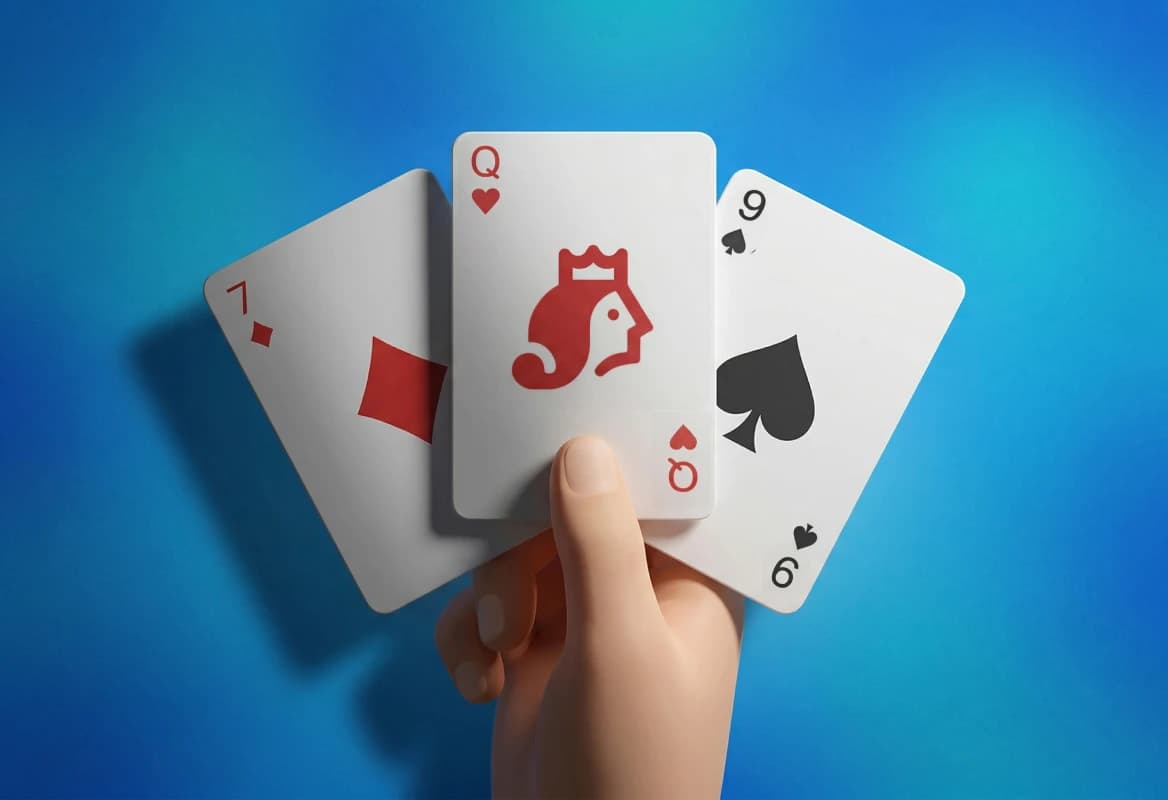 Always Look Ahead Before Drawing Next 3 CardsBefore clicking the stock, check the tableau carefully. Ask yourself if drawing three cards will open new possibilities or simply add blocked cards to the waste. Since the order of cards matters, playing or skipping a waste card can change what becomes available next.Avoid playing all waste cards quickly. Sometimes, leaving a card in place allows better positioning in the next cycle.
 Prioritize Foundation Moves When It’s SafeMoving Aces and Twos to the foundation early is usually safe and helpful. However, moving higher cards too soon can cause problems. If a card is still needed to build tableau sequences, keep it there until the structure is stable.Balanced foundation building across all suites helps avoid locking key cards behind inaccessible ones.
 Arrange Tableau Moves to Maximize RevealThe fastest way to improve your chances is by revealing face-down cards. Always choose moves that uncover hidden cards, even if they do not immediately advance the foundation.Avoid emptying a tableau column unless you have a King ready to fill it. Empty columns are powerful but only useful when used correctly.
 Track Stock Cycle and Plan for Next TurnTurn 3 is about memory and timing. Pay attention to the order of cards as they cycle through the waste pile. With practice, you will begin to anticipate which cards are coming and adjust your moves accordingly.This skill alone separates average players from strong ones in Klondike solitaire 3-turn gameplay.
Turn 3 Tips for Online and Free Play
Playing Klondike Solitaire Turn 3 online for free comes with advantages that physical cards cannot offer. Many platforms include undo options, hints, and smooth animations.
Free online versions often allow unlimited redeals, which makes learning easier. Use undo sparingly to review mistakes rather than relying on it constantly to win more games of Solitaire.
On sites inspired by Klondike solitaire, turn 3 bliss style gameplay, visual clarity, and smooth controls make planning easier. Disable autoplay if possible while learning, as automatic moves can hide strategic mistakes. For best results, play without distractions and treat each game as a puzzle rather than a race.
Turn 3 Solitaire vs Other Variants Turn 1 Vegas Spider
Klondike Solitaire Turn 3 is harder than Turn 1 because fewer cards are immediately available. Turn 1 allows direct access to every card, making it more beginner-friendly.
Vegas Solitaire adds a scoring system and financial pressure, which changes priorities but keeps similar mechanics. Spider Solitaire is entirely different, using multiple decks and suit-based sequences instead of alternating colors.
Among these, Klondike Turn 3 remains the most balanced option for players who want a challenge without overwhelming complexity.

How to Practice Turn 3 Klondike Solitaire Efficiently


- Start with relaxed games rather than timed ones. Focus on understanding card flow rather than winning quickly. Replaying games and testing different strategies helps identify mistakes.
- Set small goals, such as revealing all face-down cards or improving stock cycle awareness. Over time, these habits naturally improve your win rate.
- Practicing free Klondike solitaire turn 3 regularly builds confidence and pattern recognition.
Mastering Klondike Turn 3 Over Time

Learn through time and practice. Klondike Solitaire Turn 3 belongs to the games that reward players for their ability to remain calm, notice patterns, and study their defeats.

Never be downhearted at a succession of defeats. Even professional players only win some games, since not every solitaire game is winnable. Every loss gives you more insights into card order, time, and decision-making.

It takes time to get the feeling that it was impossible, and the game is no longer frustrating. Klondike Solitaire Turn 3 is a pleasant game since it transforms a mere card game into an interesting and engaging mental problem.
FAQs
Turn 3 is more difficult as the cards are drawn in three piles, so one can not see them as easily and plan more.
The win rate is lower than Turn 1. Only a small percentage of games are winnable without mistakes, which makes them even more challenging.
Some versions limit the number of deck passes, while others use multiple decks or different scoring rules.
It offers the perfect balance of familiarity and difficulty, making it appealing to players who want serious strategy rather than casual play.